
Resources

Why Segmentation Programs Wither on the Vine
Network segmentation is rarely a simple technology project. From identity-driven and device-type segmentation to brownfield re-architecture, successful network segmentation requires accurate inventory, application visibility, cross-functional expertise, executive sponsorship, testing, and continuous maintenance. Like a vineyard, it takes ongoing care and a village to produce something built to last.

Stability Over Speed in the Wi-Fi 8 World
The focus of the wireless world has shifted, but is it enough to stabilize your most critical clients?

EIA SubNet6 - Learn, Test, & Play with IPv6
EIA SubNet6 is an interactive IPv6 learning playground that makes networking education memorable through "leet-speak" word games. Convert words into valid IPv6 addresses, discover hidden words lurking in existing addresses, and translate IPv4 to hexadecimal. Features a comprehensive tutorial covering hex addressing, subnetting, SLAAC, and Neighbor Discovery Protocol, plus a quick reference guide with validators, configuration commands, and essential prefixes. No installations, no sign-ups—just open the page and start learning IPv6 the fun way.

EIA Seasonal IPv4 Subnet Calculator
EIA’s Seasonal Subnet Cheatsheet is a practical and learning-focused visual aid designed to make subnetting calculations easier to understand and remember. It highlights the math and logic behind IPv4 subnetting—binary patterns, CIDR notation, subnet sizes, and address boundaries—using memorable seasonal and holiday themes. By pairing core subnet calculation concepts with familiar visual cues, the cheatsheet helps reinforce how subnetting works, making it especially useful for students, engineers brushing up on fundamentals, and anyone who learns best through pattern recognition and repetition.

NAF’s AutoCon4: Where Technology, Strategy, and Business Case Converge
An interactive Streamlit app to help you describe in a systematic way a proposed network automation solution using the NAF Network Automation Framework.
It guides you through standard solution blocks for a network automation solution as well as external system Dependencies, Staffing, and a planning Timeline.

Budget Cognizance
Good ideas do not get funded just because they are technically sound. They get funded when engineers and developers understand how budgets are carved up, time their requests to the budget cycle, and present a concise, quantified pitch that spells out costs, resources, benefits, and the risk of not acting, so leaders can confidently re-prioritize scarce funds in their favor.

Wireless Design Tricks to Treat your Clients
Take some of the Spookiness out of your Wi-Fi Signal this Halloween season with these quick design tips!

Wireless Security Sins
The world of Wireless Security Solutions is an ever-changing landscape where new standards and protocols are tested against the newest methods of hacking and penetration. As you upgrade your infrastructure and clients, ensure you turn on the needed security features!
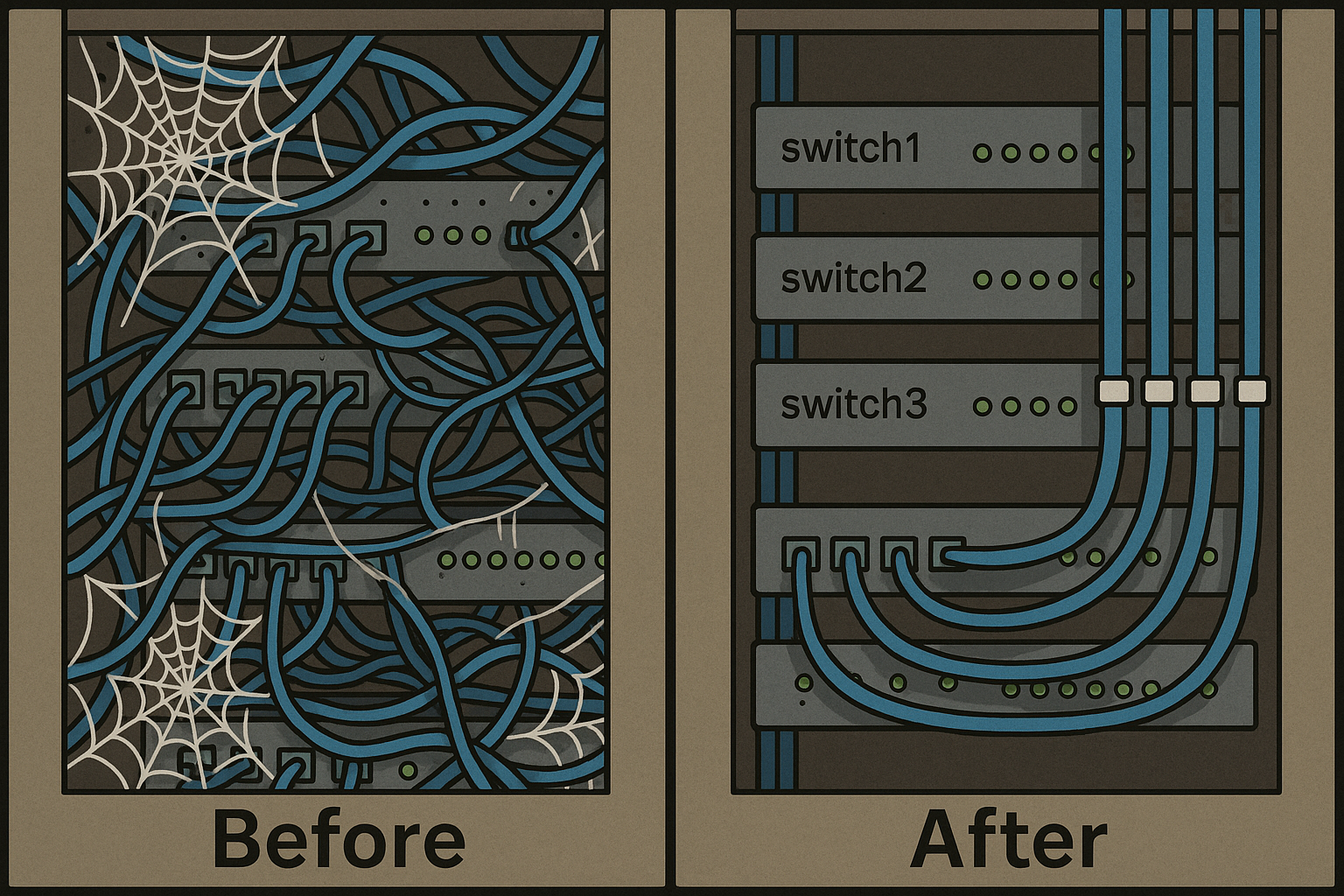
Network Modernization with EIA
Many enterprise IT organizations combine network operations and upgrade planning under one team. While efficient in theory, this often results in stagnation, as operations prioritize stability over innovation. The outcome is aging infrastructure, sometimes beyond vendor support, leaving businesses at risk.
By October 2025, widely used Cisco Catalyst models will reach their End of Support, meaning no TAC assistance or software updates. This looming deadline highlights the urgency for modernization.
The EIA Team specializes in executing network equipment modernization programs, enabling enterprise teams to scale while focusing on business-critical projects.

Network Automation …“Why Would I?” to “I already am!”
Many IT leaders confidently say they “already do” network automation, but this blog shows that what they usually mean is using vendor-supplied tools that only partially automate their standardized hardware and mostly boost individual productivity, not deliver cross-team, business-level outcomes. Leaders avoid in-house development because it diverts scarce network engineers into software roles, creates support and retention risks if key developers leave, and is hard to justify versus buying “store-bought” tools with support, training, and updates—even when those tools are expensive and only cover 60–80% of a heterogeneous network. The result is a disconnect where leadership proudly claims automation success while rank-and-file engineers see limited, fragmented automation and painful vendor deployments that struggle with legacy gear. The post argues that until organizations squarely address this gap in definitions, expectations, and strategy, “network automation” will remain a buzzword that means very different things at the top and in the trenches.

Network Automation is Software Development
Network automation is not a side gig or a few Python scripts; it is full-fledged software development, with all the expectations that implies around standards, testing, documentation, and formal processes that managers and funding sources rely on to feel confident about risk and maturity. The post argues that slow adoption stems from trying to bolt automation onto traditional network engineering without recognizing the need for broader skills, frameworks, and roadmaps that look like any serious software practice. Doing business-impacting automation means starting with a strong network engineer and then layering on DevOps, CI/CD, and engineering rigor—effectively creating “next-level” network engineers, which takes time, investment, and intentional strategy. Once organizations accept that reality, they can finally have meaningful conversations about how to design, build, and support automation that truly improves customer-facing services.

Why haven’t we seen full adoption of network automation, yet?
Network automation hasn’t fully taken off not because the tech is lacking, but because organizations treat it like a shiny “gizmo” instead of a clearly defined, business-driven capability that must be explained, justified, and operationalized for engineers, ops, and leadership alike. The post argues that automation is only one tool in a broader IT toolbox, and until the industry can plainly answer “what is it, why do we need it, and how do we roll it out and support it,” ambiguity will keep slowing progress and blocking real adoption.

Introducing The Leadership Series
EIA is kicking off “The Leadership Series” to fill a gap in practical, business-focused guidance for IT leaders wrestling with NetDevOps and network automation, where ad hoc, engineer-driven efforts too often create risk, technical debt, and missed strategic value. Featuring veteran IT leader Anthony Martin—whose career spans aerospace, NASA/JPL, startups, biotech, telecom, and public sector operations—the series aims to give managers through C‑level executives concrete perspective, lessons learned, and answers to tough questions like why network automation still isn’t fully adopted, so leadership can move from cautious spectators to intentional drivers of meaningful, sustainable automation outcomes.
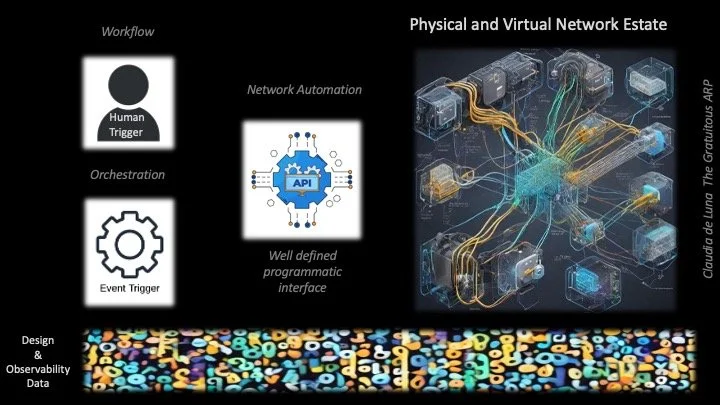
What is Network Automation?
As you struggle to define “Network Automation” consider this take on what network automation means.
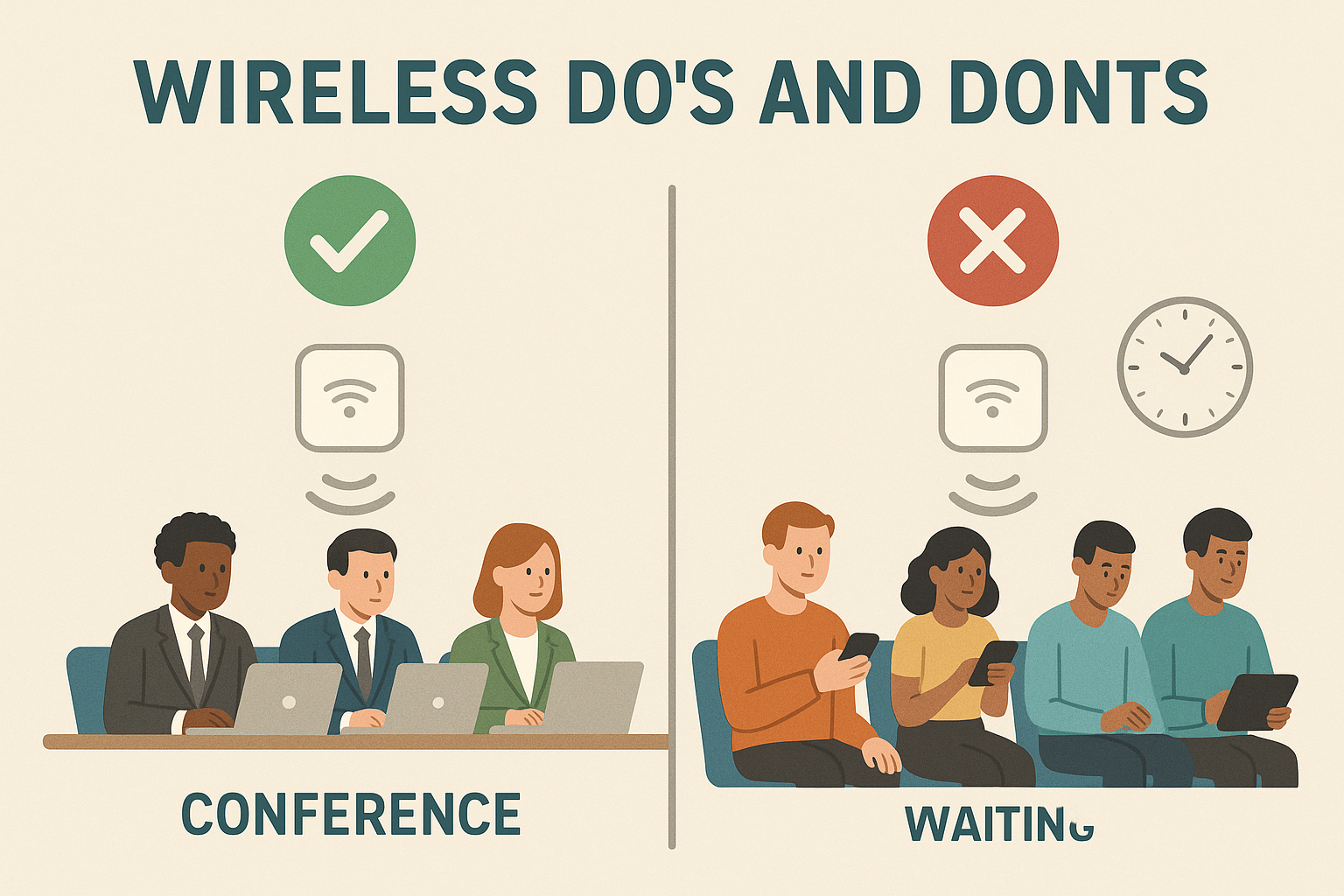
Guest Wireless Network DOs and DON’Ts
Providing a Guest Wireless Network is a professional requirement in this day and age, but as you let visitors onto your network you need to balance ease of use with protecting users and your network. This article will review some basic steps that should be done to help safeguard your network and guests.